Alumni Spotlight: Dr Kirren Schnack (2007, Clinical Psychology)
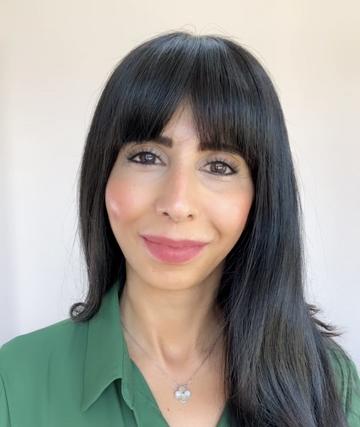
HMC alumna Dr Kirren Schnack (2007, Clinical Psychology)
Dr Kirren Schnack is a clinical psychologist with more than 20 years' experience of working with adults and children within private healthcare, schools, local authorities and family courts. She undertook her clinical training at Oxford in 2004. Her first book, "Ten Times Calmer", was published in 2023, and she has made regular appearances on the BBC and featured in magazines and newspapers, including "Women’s Health" and "The Washington Post". By providing relatable and accessible mental health advice she has also built up a significant social media presence of over 450,000 followers. Below, she tells us about her latest book and discusses how HMC has influenced her.
What are you doing now?
I’ve just published my second book Tools For Life* with Bluebird / Pan Macmillan, coming out in January 2025. It’s essentially therapy in a book – a step-by-step, practical guide to the ten therapy skills that, over my career, I’ve seen genuinely change lives. My first book Ten Times Calmer was born out of the surge of anxiety during the pandemic, but this new book is much broader: it’s about becoming who you are with tools that actually work. I continue to work clinically, work with the law courts on psychological assessments, create mental health content on TikTok, Instagram, and YouTube, and collaborate with the WHO on global mental health campaigns. I couldn’t ask for a more varied and meaningful career.
What are your best memories of HMC?
I have so many, where to start?! It’s the warmth of the college community, that friendly, supportive atmosphere that made HMC feel unlike anywhere else. Being part of a community with people of such diverse backgrounds, ages, nationalities, cultures, and experiences created a richness I hadn’t encountered anywhere else. The Tate Library is my standout memory. I spent hours there writing, reading, and working. It’s an extraordinary space. I went back recently while writing Tools For Life, and sitting there took me straight back to my HMC days. It made me reflect on how much life has unfolded since then, and what a full-circle moment it was to return and write there again.
How did HMC shape you?
HMC and studying Clinical Psychology, set me on my path. I remember arriving and being told by the Dean that I was there because I was extraordinary, and that I would go on to do extraordinary things. At the time it felt almost too bold to believe, but it stayed with me. The “extraordinary” isn’t about ego, it’s about impact. My own path has been driven by values of compassion and service, by wanting to improve the lives and wellbeing of others. The college’s commitment to lifelong learning also left a mark on me. Studying Clinical Psychology was profound, and the mindset I developed there to keep learning, growing, and serving has never left. Even now, I’m thirsty to learn every single day.
What advice would you give to current students?
It seems fitting to give a psychologist’s tip, so here goes. Procrastination isn’t laziness, it’s avoidance. We delay tasks because they feel overwhelming, and the longer we avoid them, the worse it gets. My tip is to just set everything up: open your laptop, gather your books or papers, open a new document, and write the title – maybe add the first line too. Then take a break for 10 minutes, maybe go outside. When you come back, work for 20 minutes, see what happens, and always remember that action comes before motivation. This tip helps you start, which is the hardest part. Once you begin, momentum builds.
* Tools for Life: 10 Essential Therapy Skills Everyone Should Know by Dr Kirren Schnack is out in January (Bluebird, £18.99).

